
Lucky Jet game in UK
Anyone who has played darts in a pub and then tried their hand at Lucky Jet online might feel a strange sense of déjà vu https://flytakeair.com/lucky-jet/. The core sensation is the same: that breathless moment watching a projectile’s path, willing it to land in your favour. This piece explores that crossover, dissecting how the strategic gap we call “darts between throws” works on the same frequency as the cash-out decisions in Lucky Jet. It’s where an old pub staple encounters a new digital hit.
The Timeless Appeal of the British Pub Game
You can’t separate darts from the pub. The game is woven into the fabric of social life there. It’s a test of skill and nerve, played out against a backdrop of chatter and clinking glasses. The routine is familiar: walk to the oche, throw, retrieve your darts, and do the maths. That rhythm transforms into a kind of conversation. It creates camaraderie and a bit of healthy competition. For decades, it’s offered a basic but deep kind of fun, a challenge to keep your hand steady while your mates watch.
Darts persists because it gets the balance right. It demands real, measurable skill—you can’t fake a double-top finish. Yet, anyone can pick up a dart and have a go. The board itself is a map of risk and reward, each segment clearly marked with its value. Tension grows leg by leg, often coming down to that final, closing double. This creates neat, self-contained rounds of play. It’s a structure you see mirrored in the discrete bets and rounds of many online games that borrow from this pub spirit.
Understanding the Lucky Jet Gameplay Mechanics
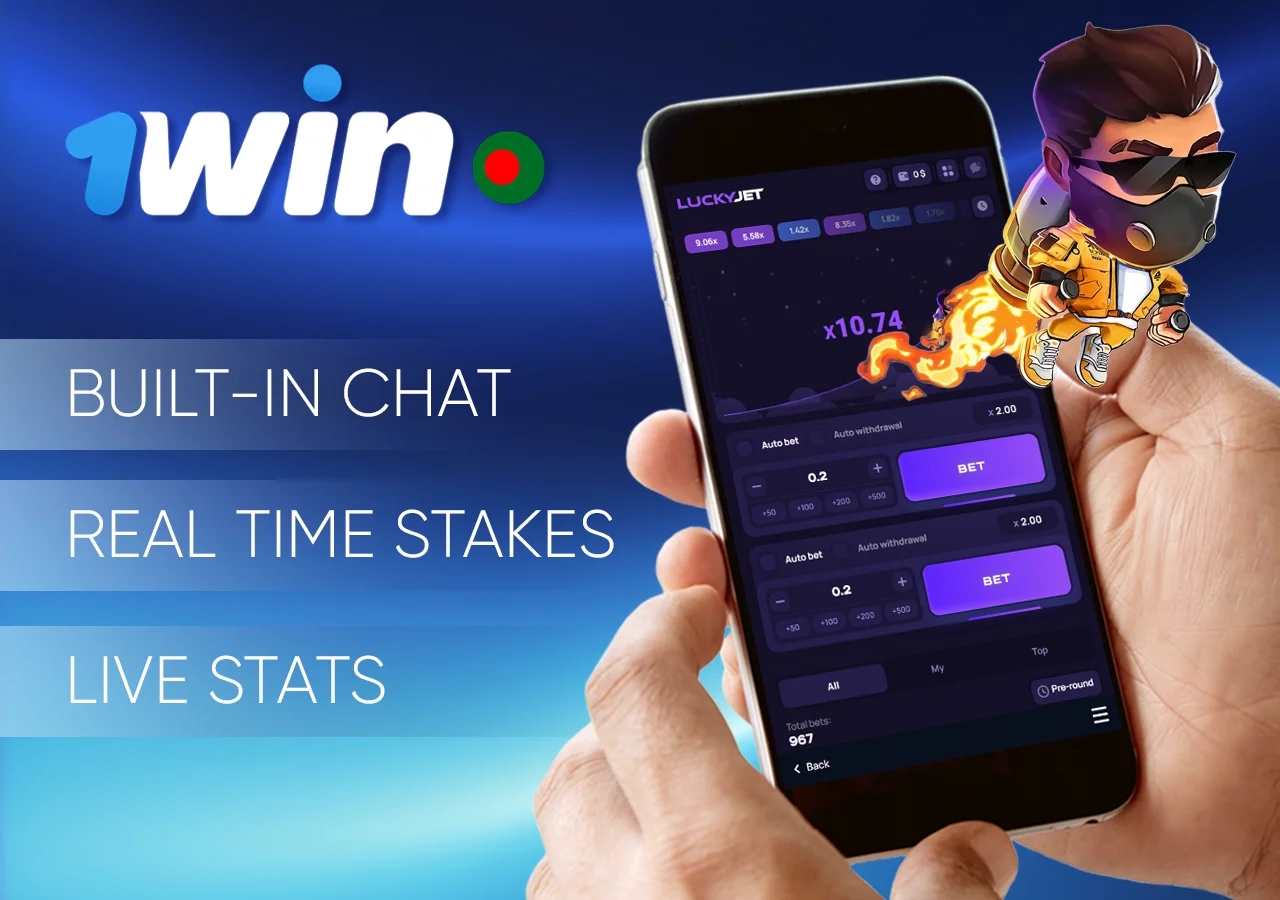
Lucky Jet operates on a basic, visual hook. A cartoon character with a jetpack ascends, and a multiplier climbs as it travels further away. Your job is to collect your bet before the character disappears into thin air. The farther it climbs, the larger your potential win, but the greater the chance you receive nothing. Every second of that climb cranks up the tension, mirroring the arc of a dart in mid-air.
The loop is engaging in its simplicity: bet, watch, and decide. You have no control over the jet itself. Your only option is the cash-out button. The skill isn’t physical; it’s in your timing and your stomach for risk. That internal fight between greed and caution is something everyone recognizes. It turns a chance-based game into a test of nerve, asking the same question as a crucial dart throw: go for the glory, or bank what you’ve got?
Hra v šipky Between Throws: The Psychology of the Pause
In darts, the game isn’t just in the throw. Je v tom tichém okamžiku poté. Tehdy hráč provádí výpočty, přizpůsobuje taktiku, a nadechne se. Koukají na skóre, vyberou cíl—maybe the fat bit of the 20, možná úzký double—a představí si hod. Tento klid je ostrůvkem koncentrace v hlučné hospodě. Právě zde probíhá mentální souboj.
Tady se buduje nebo boří klid. Jde o souboj s rušivými vlivy, tlakem dané chvíle, a vašimi vlastními plíživými pochybnostmi. Dobří hráči ovládají tento prostor. Využívají ho k resetu a plnému soustředění na další akci. Tato “strategická pauza” je přímým příbuzným momentu u Lucky Jet. Je to stejný mentální prostor, který obýváte, jak pozorujete násobič letící vzhůru, your finger hovering as you choose to cash out or let it ride.
Rhythm Comparisons: From Oche to Online Interface
The tempo of a darts match and a Lucky Jet session share a kinship. Both work in quick, distinct rounds. Darts involves throws and legs. Lucky Jet offers back-to-back rounds that end in an instant. This rhythm is simple to get into and difficult to leave. Every round feels like a fresh start, a new chance. That’s a powerful engine for keeping someone playing.
They also both enable spectating. In the pub, you watch your opponent’s throws, evaluating their form and their fortune. Online, you usually see a feed of other players cashing out, their wins and losses popping up. This collective watching, this joint observation of luck, creates a kind of community around the event. Physically or virtually, you’re not playing in a vacuum. You’re part of a group cycle of waiting and seeing what happens.
Ability vs. Luck in Bar and Online Gaming
Darts is a skill game, period. Muscle memory, a repeatable stance, a clean release—these are refined through training. A chance bounce might occur once, but over time, the better player wins. Lucky Jet is different. It’s a game of chance with a judgment layered on top. You cannot steer the jet, but you opt when to bail out. That decision needs judgement and a steady head.
Getting this nuance correctly counts. Approaching Lucky Jet as a strictly skill game will lead you astray, similar to attributing bad luck for every dart that doesn’t strike the treble neglects poor technique. Lucky Jet’s mixed nature—random flight, deliberate cash-out—is what makes it stick. It evokes the *sensation* of testing your wits against fate. It feels like needing to “hit the double under pressure,” even though the mechanics underneath are entirely separate.
The Social Fabric: Community Around Games
Conventional pub games thrive on their social setting. The conversation, the communal beverages, the sighs and shouts are part of the package. Darts is typically a team affair, the basis of local leagues and enduring friendships. This community is a key reason the game has lasted. Digital platforms have sought to mimic this by incorporating chat boxes, leaderboards, and live feeds of other people playing.
When playing Lucky Jet, you’re often aware you’re in a digital room with others. It’s not the same as a physical pub, but it offers a modern version of socializing. When someone hits a huge multiplier and everyone sees it pop up, it sparks a wave of digital applause. It draws on the same human craving for shared excitement and a good story that you experience around a dartboard.
Modern Interpretations of Time-Honored Game Concepts
Lucky Jet is a smooth, modern take on ideas that are as old as gambling itself. The “cash-out” button is just a digital equivalent of knowing when to walk away. The rising multiplier is a changing, visual gauge of escalating odds, more immediate than any static dartboard. It takes the psychological essence of traditional betting—the anxiety of not knowing the outcome—and wraps it in bright, game-like graphics.
This kind of transformation is normal. Games always adjust to their medium. Darts itself started with people throwing shortened arrows at the bottom of wine casks. Online games take those classic human urges and channel them into new interfaces. They strip away physical limitations for instant play, but keep the essential emotional journey. Lucky Jet doesn’t kill the pub experience. It just offers a new, accessible path to the same old thrill of waiting for a result.
Mindful Gambling in Any Venue
It doesn’t matter if you’re in a warm pub or on your phone on the sofa; playing responsibly is key. The rapid, round-based format of both darts and Lucky Jet can cause sessions to extend. In darts, the social setting and the need to walk to the board provide organic rests. Online, you have to create those breaks yourself. Deciding on a budget and time frame before you hit “play” is similar to deciding how much you’ll allocate for drinks during the night.
A healthy approach is to view gaming as paid fun, not a secondary income. The funds you’re prepared to use is the cost of admission for the thrill. When those funds are depleted, the playtime concludes, irrespective of your current standing. This perspective is critical for virtual play, but it’s similarly sensible in a pub. Appreciate the game for the excitement, the challenge to your composure, and the social fun. Avoid playing solely for profit.
Cultural Crossover: Why the Analogy Resonates
Drawing parallels between darts to Lucky Jet works because it links something new to something deeply ingrained. It grounds an innovative digital game in traditional territory. For a lot of players, the idea of “darts between throws” perfectly defines that tense cash-out window in Lucky Jet. The blend helps new players absorb the game’s rhythm and psychological stakes using a structure they already get.
In the end, both games tap into the same human appetite. They offer bursts of focused tension and release inside a defined, entertaining framework. They build a tale—the tale of a comeback in a darts match, or the legend of a perfectly timed 50x cash-out. That story piece, the moment you remember and retell later, is the heart of the attraction. It’s why we play, on any platform, in any age.
Common Questions
Is Lucky Jet a game of skill comparable to darts?
Not exactly. Darts hinges on actual skill you acquire over time. Lucky Jet is a game of chance; the jet’s flight is random. The skill element is in your cash-out timing. That involves managing risk and keeping your emotions in check, which is similar to the mental side of darts. But you cannot use a practiced throwing motion to influence where the jet goes.

What exactly does “darts between throws” mean in this context?
It’s a means of describing the crucial pause for decision-making. In darts, it’s the moment a player calculates the scores and chooses their target. In Lucky Jet, it’s the tense gap where the multiplier is climbing and you must pick instantly to cash out or wait. Each are psychological phases where the real game takes place in your head, demanding focus and calm under pressure.
Can I play Lucky Jet in a social environment like a pub game?
It’s played online, but Lucky Jet typically has social features like live chat and visible bets, forming a shared digital space. It mimics the communal buzz of a pub, but on a screen. To get the real pub feel, friends can crowd around one device, discussing over when to cash out and exchanging the reactions, mixing the digital game with a physical get-together.
How can I manage my play responsibly with fast-paced games like this?
Set a firm budget and a time limit before you begin. Think of it as buying entertainment. Use the responsible gaming tools on the platform, like deposit limits and timeout settings. Take regular breaks. Never try to win back what you’ve lost. Remember, the fun is in the gameplay and the decisions, not the money. If you stop having fun, log off straight away.

